

29 May 2026
for Madrid Nuevo Norte



'/%3E%3Cpath fill='%23F71013' d='M133.063 1v5.769L126.337 1h-12.944v5.77L106.667 1H93.723v5.77L86.997 1H73v61h15.937v-5.77L95.663 62h12.944v-5.77l6.726 5.77h12.944v-5.77l6.726 5.77H149V1z'/%3E%3Cpath fill='%23FFF' d='M99 15v9h-2.209v-7.689l-.499 2.109L94.425 24h-2.85l-1.867-5.58-.5-2.07V24H87v-9h3.905l1.61 5.194.485 1.967.485-1.954L95.095 15zM105.818 20.513c0-1.13-.579-1.655-1.81-1.655-1.188 0-1.752.525-1.752 1.655 0 1.104.564 1.63 1.751 1.63 1.232 0 1.811-.526 1.811-1.63zM108 17.135v6.73h-2.256v-1.507c-.416 1.063-1.262 1.642-2.45 1.642-2.122 0-3.294-1.4-3.294-3.487C100 18.4 101.113 17 103.146 17c1.262 0 2.168.592 2.598 1.696v-1.561H108zM114.818 20.352c0-1.183-.579-1.732-1.81-1.732-1.188 0-1.752.55-1.752 1.732 0 1.155.564 1.704 1.751 1.704 1.232 0 1.811-.549 1.811-1.704zM117 14v9.86h-2.256v-1.578c-.416 1.112-1.262 1.718-2.45 1.718-2.121 0-3.294-1.465-3.294-3.648 0-2.211 1.113-3.676 3.146-3.676 1.262 0 2.168.62 2.598 1.775V14H117zM122 17.11v1.943c-.328-.11-.541-.138-.94-.138-.997 0-1.895.496-1.895 2.37V24H117v-6.89h2.165v1.957c.157-1.006.627-2.067 1.966-2.067.228 0 .584 0 .869.11'/%3E%3Cmask id='89zww8pfdd' fill='%23fff'%3E%3Cuse xlink:href='%231de91x7csc'/%3E%3C/mask%3E%3Cpath d='M123.208 24h1.584v-6.685h-1.584V24zM123 15.203c0-.775.354-1.203.99-1.203.645 0 1.01.428 1.01 1.203 0 .802-.365 1.244-1.01 1.244-.636 0-.99-.442-.99-1.244zM131.818 20.352c0-1.183-.579-1.732-1.81-1.732-1.188 0-1.752.55-1.752 1.732 0 1.155.564 1.704 1.751 1.704 1.232 0 1.811-.549 1.811-1.704zM134 14v9.86h-2.256v-1.578c-.416 1.112-1.262 1.718-2.45 1.718-2.122 0-3.294-1.465-3.294-3.648 0-2.211 1.113-3.676 3.146-3.676 1.262 0 2.168.62 2.598 1.775V14H134zM96 27v9h-2.865l-3.382-5.477-.559-1.144V36H87v-9h2.977l3.158 5.104.67 1.26V27zM105 30v6.863h-2.19v-1.551c-.345 1.125-1.094 1.688-2.275 1.688C98.821 37 98 36.026 98 34.008V30h2.19v3.884c0 .838.403 1.222 1.21 1.222.863 0 1.41-.535 1.41-1.77V30H105zM108.216 32.813h2.68c-.014-.982-.435-1.319-1.29-1.319-.856 0-1.277.377-1.39 1.32m4.77 1.332h-4.77c.127.916.576 1.293 1.473 1.293.674 0 .996-.202 1.333-.849l1.824.62c-.477 1.157-1.53 1.79-3.213 1.79-2.174 0-3.633-1.373-3.633-3.446 0-2.127 1.431-3.554 3.563-3.554 2.062 0 3.437 1.373 3.437 3.446 0 .229 0 .404-.014.7' fill='%23FFF' mask='url(%2389zww8pfdd)'/%3E%3Cpath fill='%23FFF' mask='url(%2389zww8pfdd)' d='m120 30-2.72 7h-2.56L112 30h2.399l1.608 5.18 1.595-5.18zM125.765 33.513c0-1.13-.56-1.655-1.765-1.655-1.206 0-1.765.525-1.765 1.655 0 1.104.559 1.63 1.765 1.63s1.765-.526 1.765-1.63m2.235 0c0 2.168-1.823 3.487-4 3.487s-4-1.32-4-3.487c0-2.18 1.823-3.513 4-3.513s4 1.333 4 3.513M96 40v9h-2.865l-3.382-5.477-.559-1.144V49H87v-9h2.977l3.158 5.104.67 1.26V40zM102.765 45.513c0-1.13-.559-1.655-1.765-1.655s-1.765.525-1.765 1.655c0 1.104.559 1.63 1.765 1.63s1.765-.526 1.765-1.63m2.235 0c0 2.168-1.823 3.487-4 3.487s-4-1.32-4-3.487c0-2.18 1.823-3.513 4-3.513s4 1.333 4 3.513M110 42.11v1.943c-.327-.11-.541-.138-.94-.138-.997 0-1.895.496-1.895 2.37V49H105v-6.89h2.165v1.957c.157-1.006.627-2.067 1.966-2.067.228 0 .584 0 .869.11M114.18 43.88v3.264h1.688V49h-1.451c-1.346 0-2.243-.949-2.243-2.372v-2.749H111v-1.856h1.174V40h2.005v2.023H116v1.856h-1.82zM119.216 44.814h2.68c-.014-.983-.435-1.32-1.29-1.32-.856 0-1.277.377-1.39 1.32m4.77 1.332h-4.77c.127.916.576 1.293 1.473 1.293.674 0 .996-.202 1.333-.849l1.824.62c-.477 1.157-1.53 1.79-3.213 1.79-2.174 0-3.633-1.373-3.633-3.446 0-2.127 1.43-3.554 3.563-3.554 2.062 0 3.437 1.373 3.437 3.446 0 .23 0 .404-.014.7'/%3E%3C/g%3E%3C/svg%3E)
For a long time, the city and nature seemed like opposing concepts. Today we know that urban areas need not be foreign territory to valuable wildlife and plant life, nor to green environments teeming with biodiversity. On the contrary, they can become dynamic ecosystems where nature finds new opportunities to adapt and evolve.
This approach demands a rethinking of urban planning, because if we accept that the city is also a habitat, urban design must become an ecological tool. We are talking, then, about biodiverse urbanism—an approach which does not merely add green areas but integrates real natural processes into the urban fabric.
Beyond pets and domestic animals, or the ducks we find in some park ponds and the classic urban birds such as sparrows, pigeons and magpies, cities are home to all kinds of animals—some of them surprising to the untrained eye.
The white stork is perhaps one of the most recognisable images of urban biodiversity in Spain. Traditionally associated with bell towers and historic towers, today it also builds its large nests on modern buildings, cranes or electricity pylons, blending into the landscape of cities such as Alcalá de Henares, Cáceres or Salamanca.
In the municipality of Madrid itself, there is a highly visible population in areas like Casa de Campo and even some nests within the urban centre. The peregrine falcon is another of the most fascinating examples of urban adaptation in our environment. Traditionally linked to rocky cliffs and escarpments, it has found its habitat on the skyscrapers and towers of cities like Madrid or Barcelona.
These are not occasional visitors; many of these animals have learned to adapt to the urban rhythm. The presence of wildlife in the city fulfils essential ecological functions. Insects act as pollinators, enabling many plant species to reproduce and maintain their diversity. Other animals, such as squirrels and certain birds, act as seed dispersers and, by storing food, encourage the emergence of new plants and the spontaneous regeneration of green areas. Furthermore, certain scavenging species actively contribute to the sanitary balance of the urban environment—gulls, for instance, help eliminate organic waste. The list of ecosystem functions is long. For example, small and elusive lizards provide biological control over insects. In short, integrating suitable habitats for this wildlife is not just an environmental matter but also a smart strategy for strengthening the city’s health.
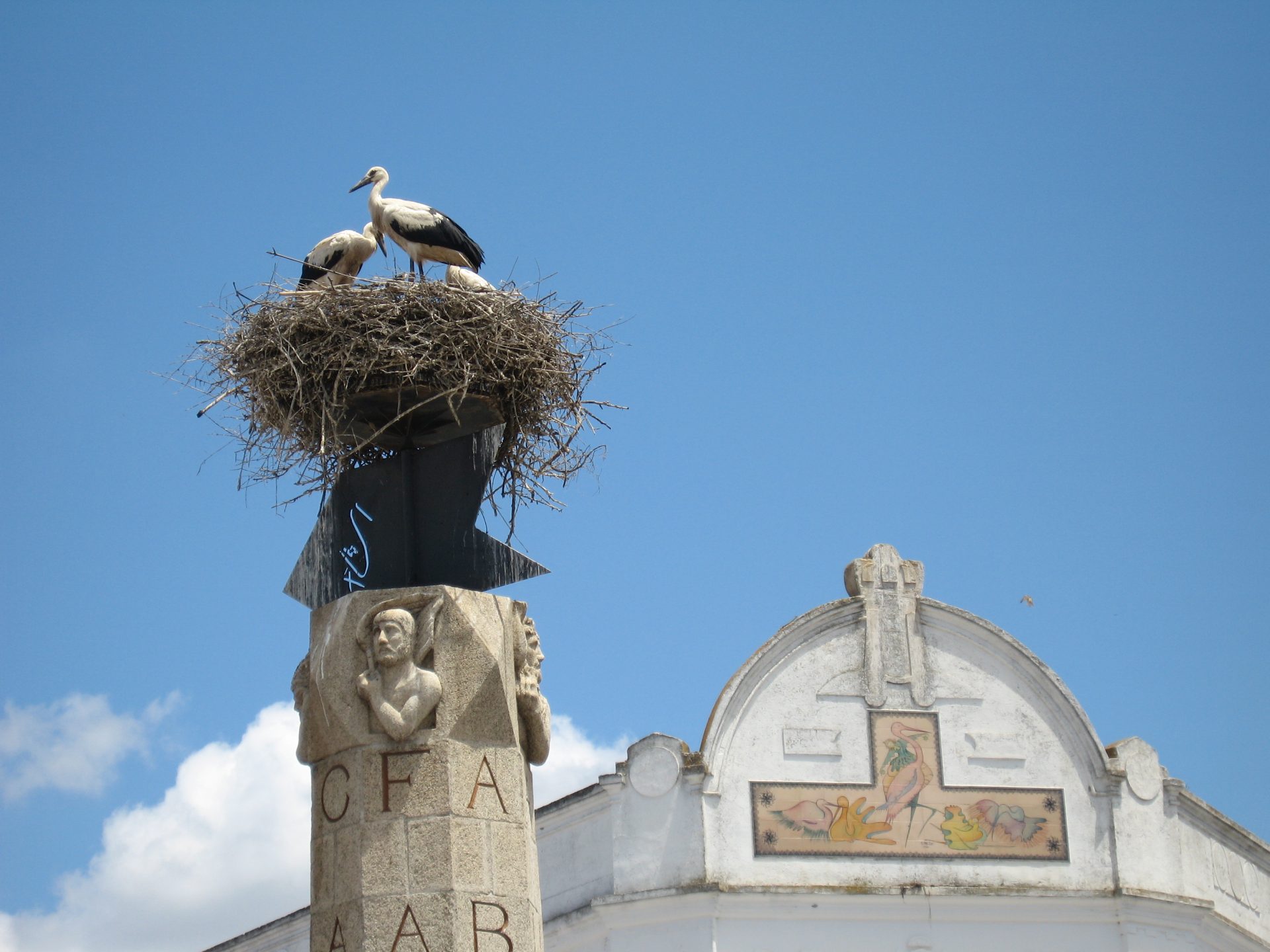
Storks in Malpartida (Cáceres)
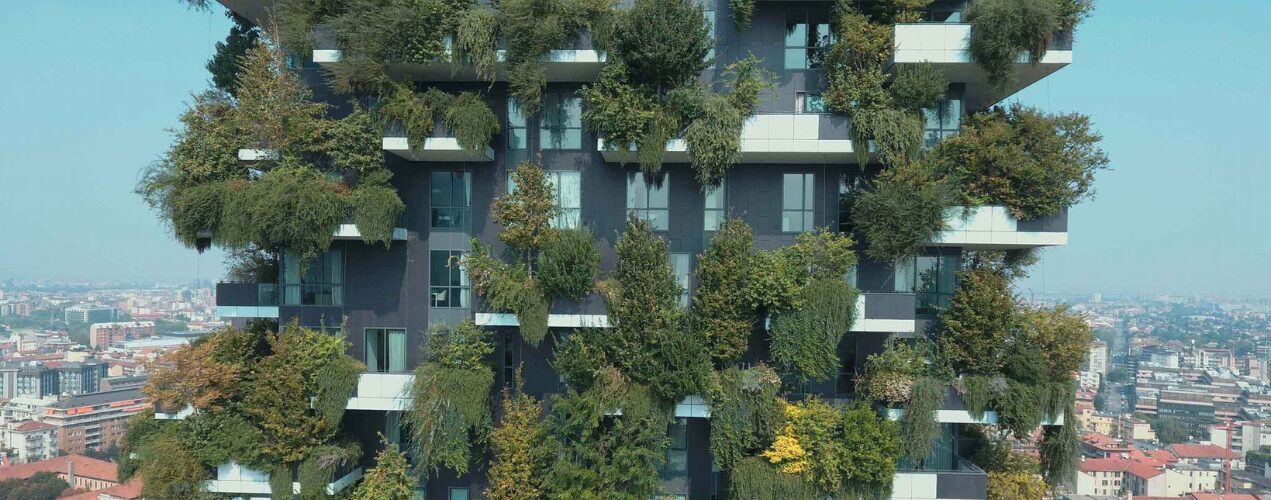
To harbour animal life, the city needs sufficient green areas to provide shelter and food. Cities must have spaces adapted for their survival. A clear example is Alcalá de Henares, in Madrid, a World Heritage city, where the City Hall carries out regular maintenance of the dozens of stork nests settled on historic towers and monuments. Their presence has become part of the local identity, even inspiring a tourist route dedicated to the storks. Along the same lines, Girona is promoting the GiroNat project, an initiative fostering urban renaturalisation through improvements to green and blue infrastructure and the application of nature-based solutions. The aim is to transform the city into a greener, healthier environment where coexistence with nature is a structural part of the urban model. Progress is also made through more discreet interventions such as green roofs, naturalised courtyards or linear parks. In Europe, one of the best-known examples of this integration—thanks to its spectacular design—is the Bosco Verticale in Milan. These residential towers incorporate thousands of trees and shrubs on their façades, creating a vertical micro-habitat helping reduce pollution, regulate temperature and attract birds and insects. Beyond its iconic image, the project demonstrates that architecture can become an active support for biodiversity.
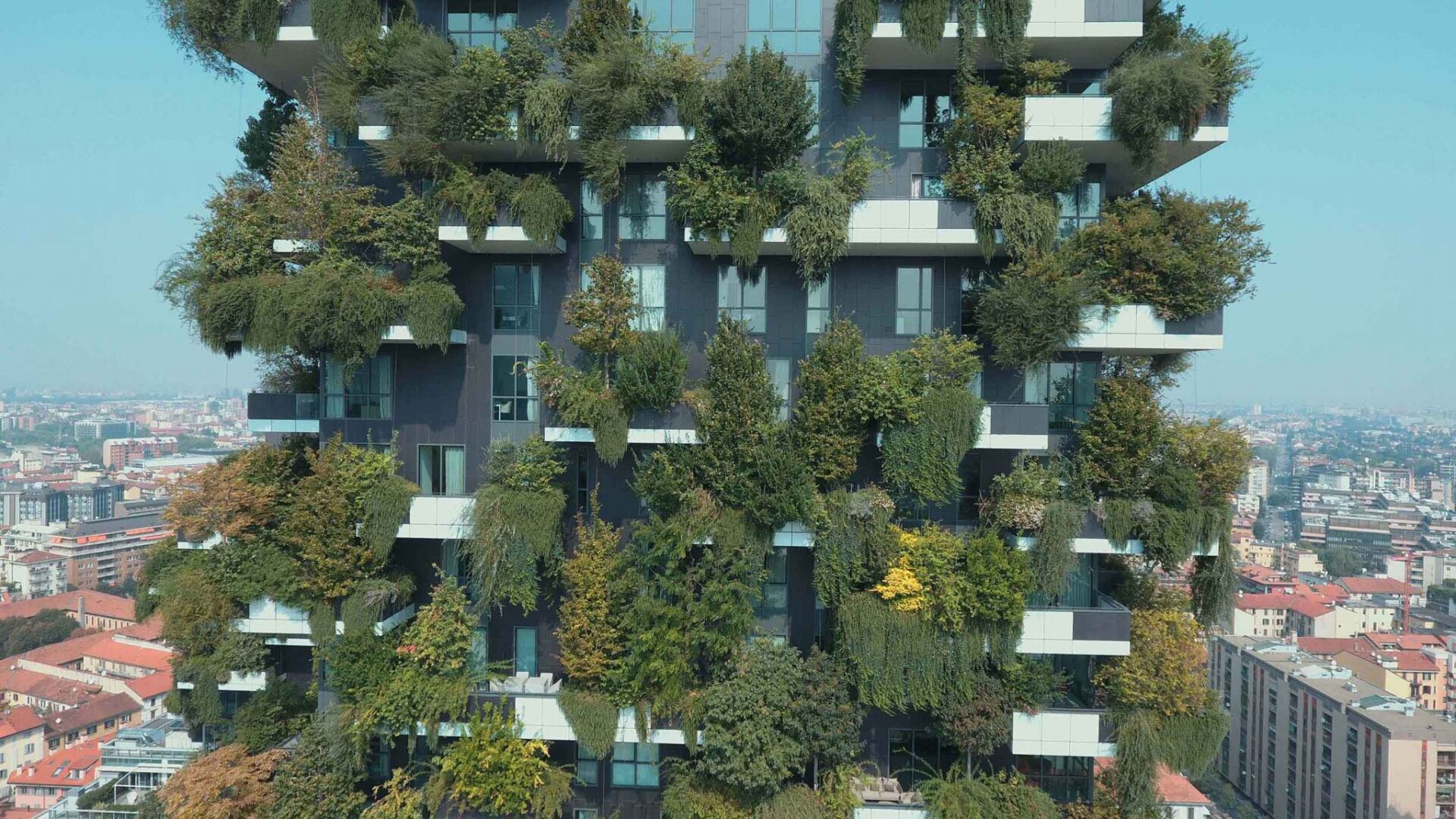
Bosco Verticale in Milan (Photo: stefanoboeriarchitetti)
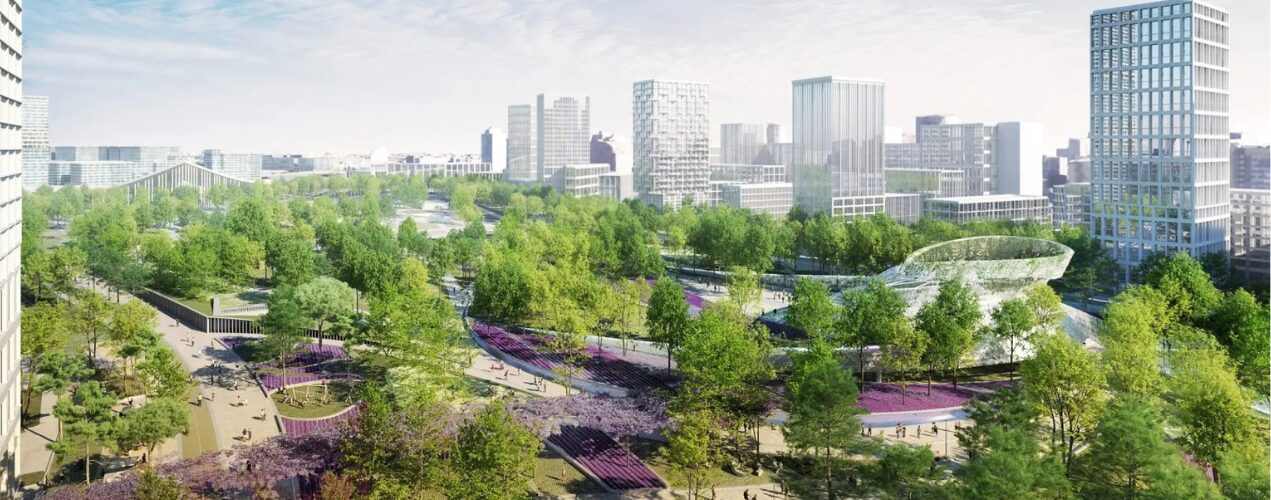
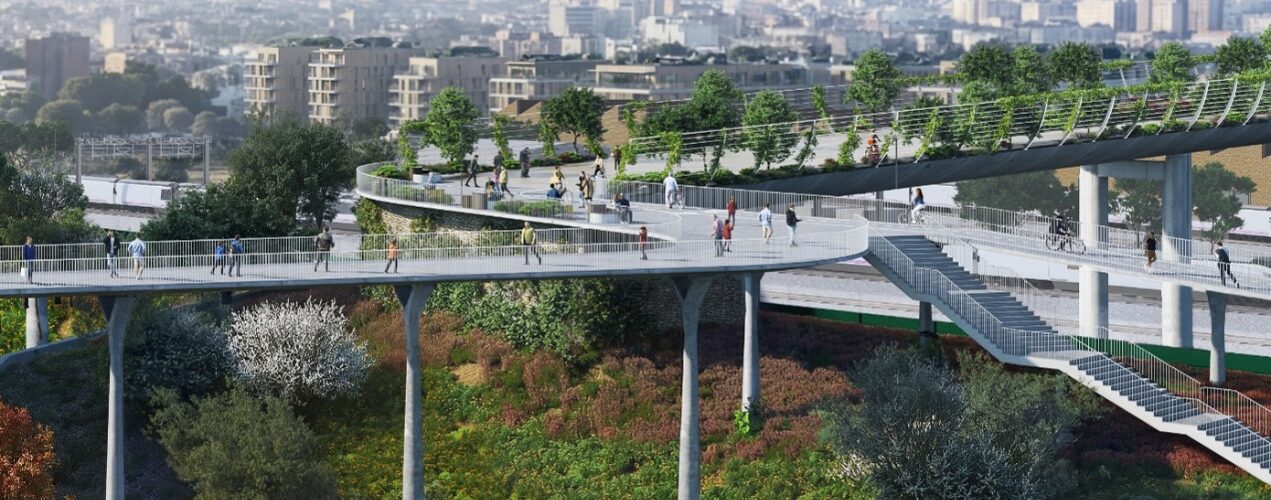
In this context, so-called Nature-Based Solutions (NBS) are consolidating their position as a key strategy. They are not mere landscaping actions but interventions designed to address urban challenges—such as extreme heat or air pollution—through ecological processes, providing true “green infrastructure” as important as other types of urban infrastructure. Madrid City Hall has developed a Nature-Based Solutions Manual systematising this approach, compiling tools such as the creation of green infrastructure, the renaturalisation of public spaces and urban systems for ecological connectivity. Species need to move around in order to feed, reproduce and maintain genetic diversity, which is why green corridors have become strategic infrastructure. The Madrid Nuevo Norte project embraces this integrative vision, and among the measures in this direction is the creation of environmental corridors capable of connecting the biodiversity of El Pardo with the urban fabric. The goal is to weave a continuous network of green spaces facilitating the movement of species and brings nature closer to citizens’ everyday lives. Incorporating nature into the city means designing with ecological criteria, because as evolutionary biologist Menno Schilthuizen puts it, “cities are not the end of evolution, but a new stage”. Well-planned biodiverse urbanism can benefit species, balance urban ecosystems and strengthen the connection between wildlife, plant life and citizens.