

29 June 2026
for Madrid Nuevo Norte



'/%3E%3Cpath fill='%23F71013' d='M133.063 1v5.769L126.337 1h-12.944v5.77L106.667 1H93.723v5.77L86.997 1H73v61h15.937v-5.77L95.663 62h12.944v-5.77l6.726 5.77h12.944v-5.77l6.726 5.77H149V1z'/%3E%3Cpath fill='%23FFF' d='M99 15v9h-2.209v-7.689l-.499 2.109L94.425 24h-2.85l-1.867-5.58-.5-2.07V24H87v-9h3.905l1.61 5.194.485 1.967.485-1.954L95.095 15zM105.818 20.513c0-1.13-.579-1.655-1.81-1.655-1.188 0-1.752.525-1.752 1.655 0 1.104.564 1.63 1.751 1.63 1.232 0 1.811-.526 1.811-1.63zM108 17.135v6.73h-2.256v-1.507c-.416 1.063-1.262 1.642-2.45 1.642-2.122 0-3.294-1.4-3.294-3.487C100 18.4 101.113 17 103.146 17c1.262 0 2.168.592 2.598 1.696v-1.561H108zM114.818 20.352c0-1.183-.579-1.732-1.81-1.732-1.188 0-1.752.55-1.752 1.732 0 1.155.564 1.704 1.751 1.704 1.232 0 1.811-.549 1.811-1.704zM117 14v9.86h-2.256v-1.578c-.416 1.112-1.262 1.718-2.45 1.718-2.121 0-3.294-1.465-3.294-3.648 0-2.211 1.113-3.676 3.146-3.676 1.262 0 2.168.62 2.598 1.775V14H117zM122 17.11v1.943c-.328-.11-.541-.138-.94-.138-.997 0-1.895.496-1.895 2.37V24H117v-6.89h2.165v1.957c.157-1.006.627-2.067 1.966-2.067.228 0 .584 0 .869.11'/%3E%3Cmask id='89zww8pfdd' fill='%23fff'%3E%3Cuse xlink:href='%231de91x7csc'/%3E%3C/mask%3E%3Cpath d='M123.208 24h1.584v-6.685h-1.584V24zM123 15.203c0-.775.354-1.203.99-1.203.645 0 1.01.428 1.01 1.203 0 .802-.365 1.244-1.01 1.244-.636 0-.99-.442-.99-1.244zM131.818 20.352c0-1.183-.579-1.732-1.81-1.732-1.188 0-1.752.55-1.752 1.732 0 1.155.564 1.704 1.751 1.704 1.232 0 1.811-.549 1.811-1.704zM134 14v9.86h-2.256v-1.578c-.416 1.112-1.262 1.718-2.45 1.718-2.122 0-3.294-1.465-3.294-3.648 0-2.211 1.113-3.676 3.146-3.676 1.262 0 2.168.62 2.598 1.775V14H134zM96 27v9h-2.865l-3.382-5.477-.559-1.144V36H87v-9h2.977l3.158 5.104.67 1.26V27zM105 30v6.863h-2.19v-1.551c-.345 1.125-1.094 1.688-2.275 1.688C98.821 37 98 36.026 98 34.008V30h2.19v3.884c0 .838.403 1.222 1.21 1.222.863 0 1.41-.535 1.41-1.77V30H105zM108.216 32.813h2.68c-.014-.982-.435-1.319-1.29-1.319-.856 0-1.277.377-1.39 1.32m4.77 1.332h-4.77c.127.916.576 1.293 1.473 1.293.674 0 .996-.202 1.333-.849l1.824.62c-.477 1.157-1.53 1.79-3.213 1.79-2.174 0-3.633-1.373-3.633-3.446 0-2.127 1.431-3.554 3.563-3.554 2.062 0 3.437 1.373 3.437 3.446 0 .229 0 .404-.014.7' fill='%23FFF' mask='url(%2389zww8pfdd)'/%3E%3Cpath fill='%23FFF' mask='url(%2389zww8pfdd)' d='m120 30-2.72 7h-2.56L112 30h2.399l1.608 5.18 1.595-5.18zM125.765 33.513c0-1.13-.56-1.655-1.765-1.655-1.206 0-1.765.525-1.765 1.655 0 1.104.559 1.63 1.765 1.63s1.765-.526 1.765-1.63m2.235 0c0 2.168-1.823 3.487-4 3.487s-4-1.32-4-3.487c0-2.18 1.823-3.513 4-3.513s4 1.333 4 3.513M96 40v9h-2.865l-3.382-5.477-.559-1.144V49H87v-9h2.977l3.158 5.104.67 1.26V40zM102.765 45.513c0-1.13-.559-1.655-1.765-1.655s-1.765.525-1.765 1.655c0 1.104.559 1.63 1.765 1.63s1.765-.526 1.765-1.63m2.235 0c0 2.168-1.823 3.487-4 3.487s-4-1.32-4-3.487c0-2.18 1.823-3.513 4-3.513s4 1.333 4 3.513M110 42.11v1.943c-.327-.11-.541-.138-.94-.138-.997 0-1.895.496-1.895 2.37V49H105v-6.89h2.165v1.957c.157-1.006.627-2.067 1.966-2.067.228 0 .584 0 .869.11M114.18 43.88v3.264h1.688V49h-1.451c-1.346 0-2.243-.949-2.243-2.372v-2.749H111v-1.856h1.174V40h2.005v2.023H116v1.856h-1.82zM119.216 44.814h2.68c-.014-.983-.435-1.32-1.29-1.32-.856 0-1.277.377-1.39 1.32m4.77 1.332h-4.77c.127.916.576 1.293 1.473 1.293.674 0 .996-.202 1.333-.849l1.824.62c-.477 1.157-1.53 1.79-3.213 1.79-2.174 0-3.633-1.373-3.633-3.446 0-2.127 1.43-3.554 3.563-3.554 2.062 0 3.437 1.373 3.437 3.446 0 .23 0 .404-.014.7'/%3E%3C/g%3E%3C/svg%3E)
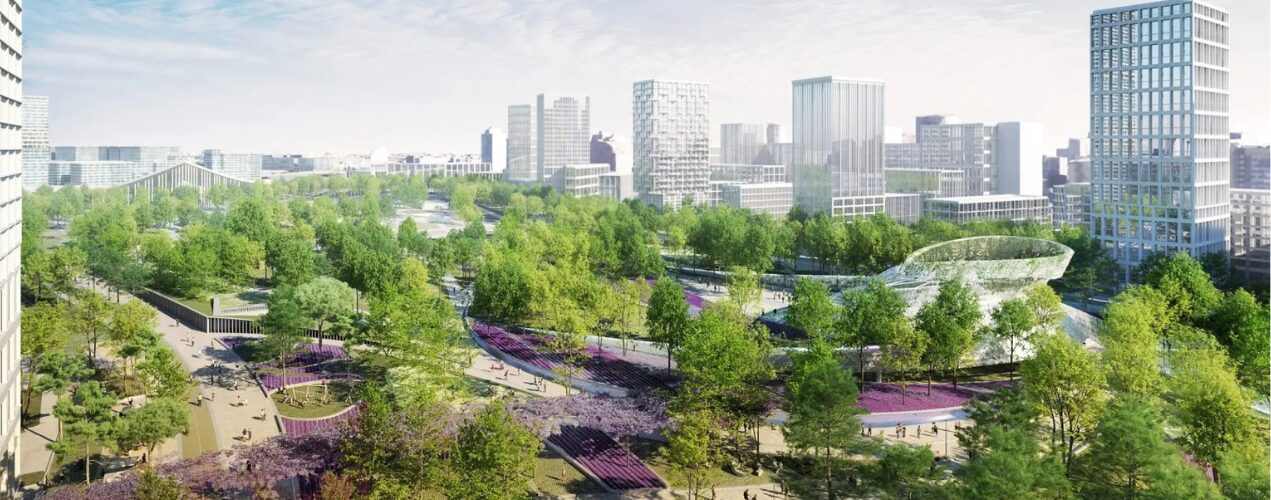
Accessibility has long ceased to mean simply trying to overcome architectural barriers. Conceiving a city for everyone means taking into account the characteristics of all the people who will bring it to life, and the needs that will accompany them throughout the time they use it. Clear, objective criteria are what make accessibility a key factor when planning new urban spaces. That is where the AIS standard, short for Accessibility Indicator System, comes in. Managed by the ARS Foundation. This system brings together more than 700 requirements which experts and technicians incorporate from the earliest stages of urban planning to ensure more accessible, comfortable and inclusive environments.
What is the AIS standard?
The AIS standard is presented as a key tool for assessing and certifying the degree of accessibility of any type of space. In addition to harmonising international legislation in this field, it also incorporates a set of best practices which the ARS Foundation has observed over four decades in the field of human needs. The AIS standard methodology means that technicians accredited and authorised by the foundation continuously assess the construction projects carried out by professionals such as designers, architects and sustainability experts, based on the hundreds of requirements taken into account.
“We are involved from the construction project stage, we support them throughout the entire development process, and we take part in all the designs so as to incorporate any measures needed to make the place as accessible as desired”, says Esther Bienes, director of the ARS Foundation, which audits and certifies this level of accessibility. This way of working means that, by the time the construction project is completed, it already complies with all the requirements and does not need many modifications. “The economic impact is minimal because accessibility improvements are already taken into account when the budget is prepared”, the director explains.
The system operates through families of indicators, grouped into five functional areas. “It has to be simple and easy to understand, which is why we take into account routes, services, communication, information and evacuation”, Bienes adds. Altogether, these families of indicators amount to over 700 requirements. In this regard, AIS certification takes into account not only the possible architectural barriers which a person may encounter in a place, but also cognitive and sensory ones. “There are people with mental health issues or some kind of intellectual disability, and that is very important when designing spaces. Good design can prevent us from becoming disoriented”, the director of the ARS Foundation explains.
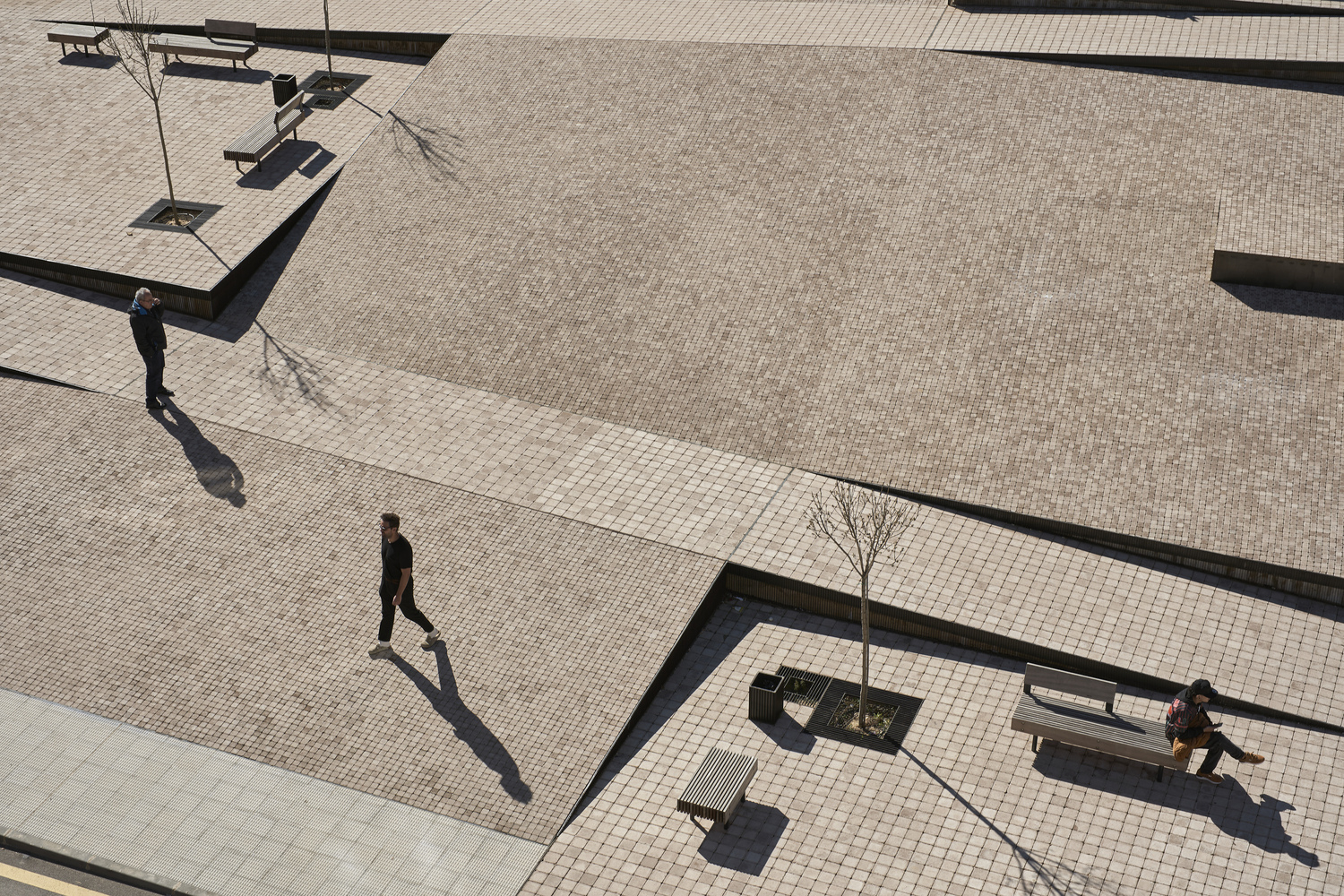
Making accessibility a reality in a major urban development means taking many details into account: benches, shaded rest areas, parks for young children… “It is not the same to go for a walk with an older person who gets tired quickly and not know where they will be able to stop for a few minutes, as it is for everyone to know clearly what route they will take, what resources or services they will find along the way, and how long it will take”, the accessibility expert explains.
Madrid Nuevo Norte will be the first major urban development to be certified for accessibility under the AIS standard. “Our premise is to stop building for today and start building for tomorrow. We need to understand that accessibility is for everyone, not only for people with some kind of disability”, says Bienes. Although there are some areas of cities which do not allow for this level of renewal because of their age, new developments point the way to the future. As Bienes states, “it is no longer enough here to say that something is accessible; clear, standardised criteria must be required”. The ARS Foundation has already issued certificates in 32 countries around the world and is therefore highly experienced in international legislation. “In Spain, we are quite advanced, but it still falls short. That is why this accreditation is needed, as it introduces a strong component of autonomy”, the director concludes.
This certification is part of Madrid Nuevo Norte’s broader effort to voluntarily comply with the most demanding standards across several key aspects of urban development, ranging from the use of BIM methodology to optimize processes – in accordance with the ISO 19650 BIM standard – to pre-certification under the two most prestigious sustainability labels, the US-based LEED and Europe’s leading benchmark, BREEAM.