

3 June 2026
for Madrid Nuevo Norte



'/%3E%3Cpath fill='%23F71013' d='M133.063 1v5.769L126.337 1h-12.944v5.77L106.667 1H93.723v5.77L86.997 1H73v61h15.937v-5.77L95.663 62h12.944v-5.77l6.726 5.77h12.944v-5.77l6.726 5.77H149V1z'/%3E%3Cpath fill='%23FFF' d='M99 15v9h-2.209v-7.689l-.499 2.109L94.425 24h-2.85l-1.867-5.58-.5-2.07V24H87v-9h3.905l1.61 5.194.485 1.967.485-1.954L95.095 15zM105.818 20.513c0-1.13-.579-1.655-1.81-1.655-1.188 0-1.752.525-1.752 1.655 0 1.104.564 1.63 1.751 1.63 1.232 0 1.811-.526 1.811-1.63zM108 17.135v6.73h-2.256v-1.507c-.416 1.063-1.262 1.642-2.45 1.642-2.122 0-3.294-1.4-3.294-3.487C100 18.4 101.113 17 103.146 17c1.262 0 2.168.592 2.598 1.696v-1.561H108zM114.818 20.352c0-1.183-.579-1.732-1.81-1.732-1.188 0-1.752.55-1.752 1.732 0 1.155.564 1.704 1.751 1.704 1.232 0 1.811-.549 1.811-1.704zM117 14v9.86h-2.256v-1.578c-.416 1.112-1.262 1.718-2.45 1.718-2.121 0-3.294-1.465-3.294-3.648 0-2.211 1.113-3.676 3.146-3.676 1.262 0 2.168.62 2.598 1.775V14H117zM122 17.11v1.943c-.328-.11-.541-.138-.94-.138-.997 0-1.895.496-1.895 2.37V24H117v-6.89h2.165v1.957c.157-1.006.627-2.067 1.966-2.067.228 0 .584 0 .869.11'/%3E%3Cmask id='89zww8pfdd' fill='%23fff'%3E%3Cuse xlink:href='%231de91x7csc'/%3E%3C/mask%3E%3Cpath d='M123.208 24h1.584v-6.685h-1.584V24zM123 15.203c0-.775.354-1.203.99-1.203.645 0 1.01.428 1.01 1.203 0 .802-.365 1.244-1.01 1.244-.636 0-.99-.442-.99-1.244zM131.818 20.352c0-1.183-.579-1.732-1.81-1.732-1.188 0-1.752.55-1.752 1.732 0 1.155.564 1.704 1.751 1.704 1.232 0 1.811-.549 1.811-1.704zM134 14v9.86h-2.256v-1.578c-.416 1.112-1.262 1.718-2.45 1.718-2.122 0-3.294-1.465-3.294-3.648 0-2.211 1.113-3.676 3.146-3.676 1.262 0 2.168.62 2.598 1.775V14H134zM96 27v9h-2.865l-3.382-5.477-.559-1.144V36H87v-9h2.977l3.158 5.104.67 1.26V27zM105 30v6.863h-2.19v-1.551c-.345 1.125-1.094 1.688-2.275 1.688C98.821 37 98 36.026 98 34.008V30h2.19v3.884c0 .838.403 1.222 1.21 1.222.863 0 1.41-.535 1.41-1.77V30H105zM108.216 32.813h2.68c-.014-.982-.435-1.319-1.29-1.319-.856 0-1.277.377-1.39 1.32m4.77 1.332h-4.77c.127.916.576 1.293 1.473 1.293.674 0 .996-.202 1.333-.849l1.824.62c-.477 1.157-1.53 1.79-3.213 1.79-2.174 0-3.633-1.373-3.633-3.446 0-2.127 1.431-3.554 3.563-3.554 2.062 0 3.437 1.373 3.437 3.446 0 .229 0 .404-.014.7' fill='%23FFF' mask='url(%2389zww8pfdd)'/%3E%3Cpath fill='%23FFF' mask='url(%2389zww8pfdd)' d='m120 30-2.72 7h-2.56L112 30h2.399l1.608 5.18 1.595-5.18zM125.765 33.513c0-1.13-.56-1.655-1.765-1.655-1.206 0-1.765.525-1.765 1.655 0 1.104.559 1.63 1.765 1.63s1.765-.526 1.765-1.63m2.235 0c0 2.168-1.823 3.487-4 3.487s-4-1.32-4-3.487c0-2.18 1.823-3.513 4-3.513s4 1.333 4 3.513M96 40v9h-2.865l-3.382-5.477-.559-1.144V49H87v-9h2.977l3.158 5.104.67 1.26V40zM102.765 45.513c0-1.13-.559-1.655-1.765-1.655s-1.765.525-1.765 1.655c0 1.104.559 1.63 1.765 1.63s1.765-.526 1.765-1.63m2.235 0c0 2.168-1.823 3.487-4 3.487s-4-1.32-4-3.487c0-2.18 1.823-3.513 4-3.513s4 1.333 4 3.513M110 42.11v1.943c-.327-.11-.541-.138-.94-.138-.997 0-1.895.496-1.895 2.37V49H105v-6.89h2.165v1.957c.157-1.006.627-2.067 1.966-2.067.228 0 .584 0 .869.11M114.18 43.88v3.264h1.688V49h-1.451c-1.346 0-2.243-.949-2.243-2.372v-2.749H111v-1.856h1.174V40h2.005v2.023H116v1.856h-1.82zM119.216 44.814h2.68c-.014-.983-.435-1.32-1.29-1.32-.856 0-1.277.377-1.39 1.32m4.77 1.332h-4.77c.127.916.576 1.293 1.473 1.293.674 0 .996-.202 1.333-.849l1.824.62c-.477 1.157-1.53 1.79-3.213 1.79-2.174 0-3.633-1.373-3.633-3.446 0-2.127 1.43-3.554 3.563-3.554 2.062 0 3.437 1.373 3.437 3.446 0 .23 0 .404-.014.7'/%3E%3C/g%3E%3C/svg%3E)
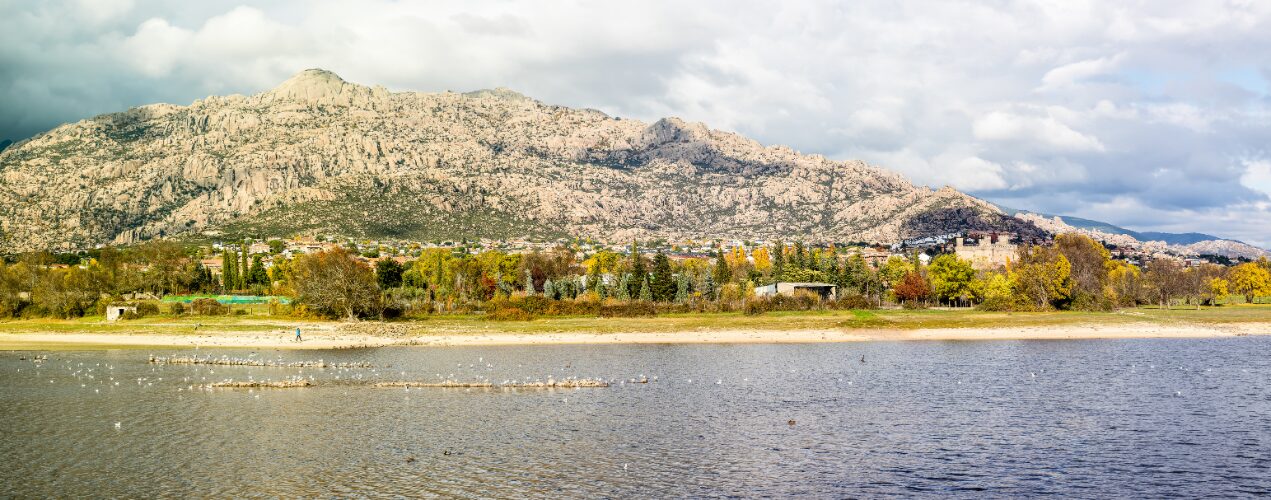
Did you know that there was a time when an enterprising marquis founded a company to rival the Canal de Isabel II Water Supply Infrastructure in supplying water to the capital?
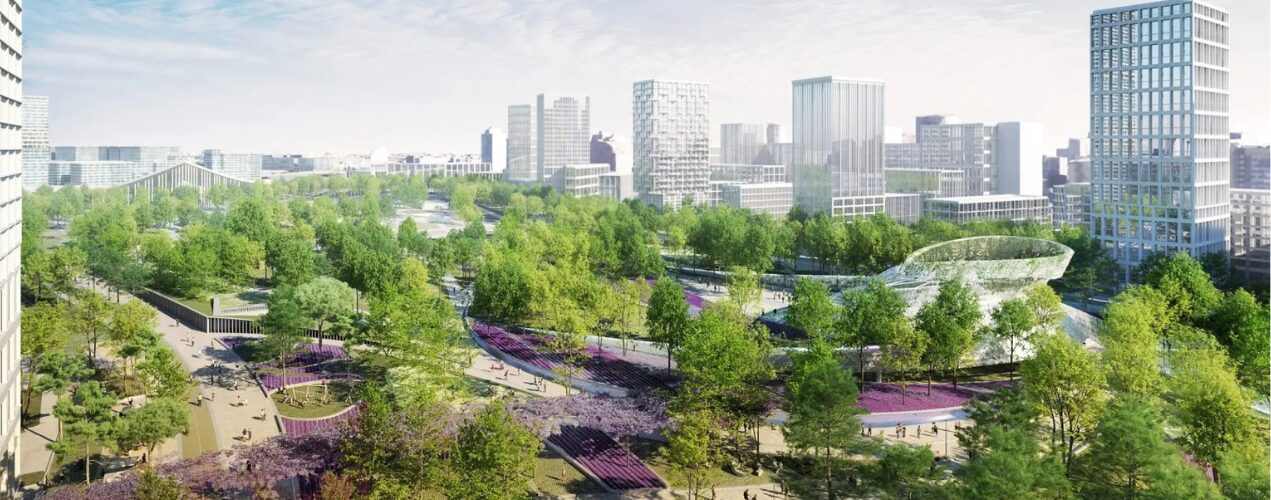
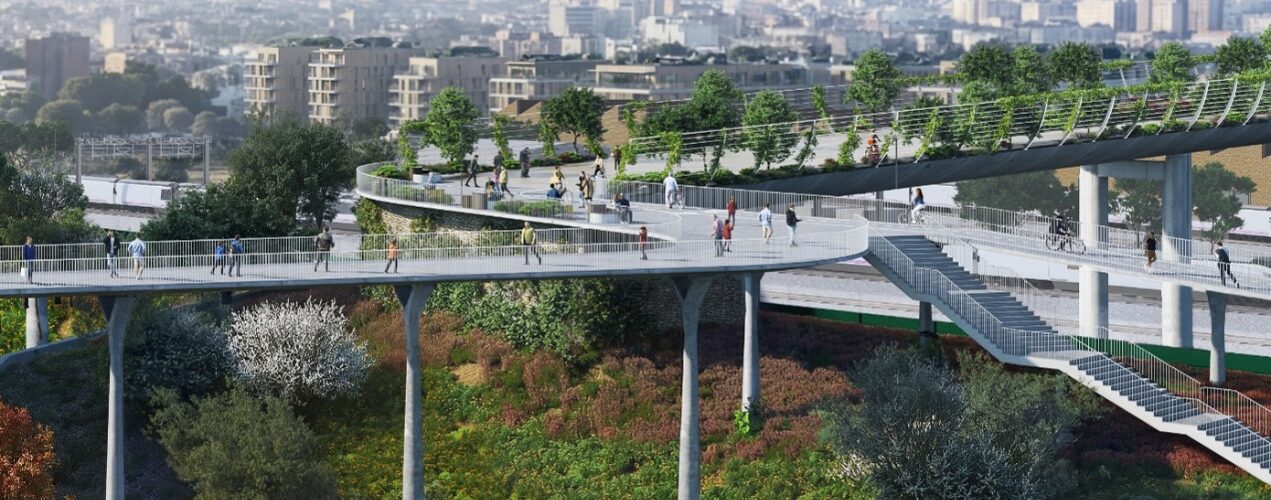
From this episode, which began at the dawn of the 20th century, visible traces remain today such as the Santillana Reservoir in Manzanares el Real, a mysterious semi-submerged tower with a medieval appearance, and also the name of the Canal de Santillana—a conduit running through the north of the region to the capital, crossing Madrid Nuevo Norte, a stretch which will be renovated as it passes through the capital’s main urban regeneration project.
Behind these vestiges lies a little-known story, connected to one of Madrid’s most transformative periods. At the beginning of the 20th century, when the city was growing rapidly and water supply was becoming a strategic issue, the Canal de Isabel II Water Supply Infrastructure encountered an unexpected competitor. In 1905, Joaquín de Arteaga y Echagüe, Marquis of Santillana and Duke of Infantado, established the company Hidráulica Santillana with the aim of harnessing the waters of the Manzanares River to supply the elevated areas of the capital and, at the same time, produce hydroelectric energy.
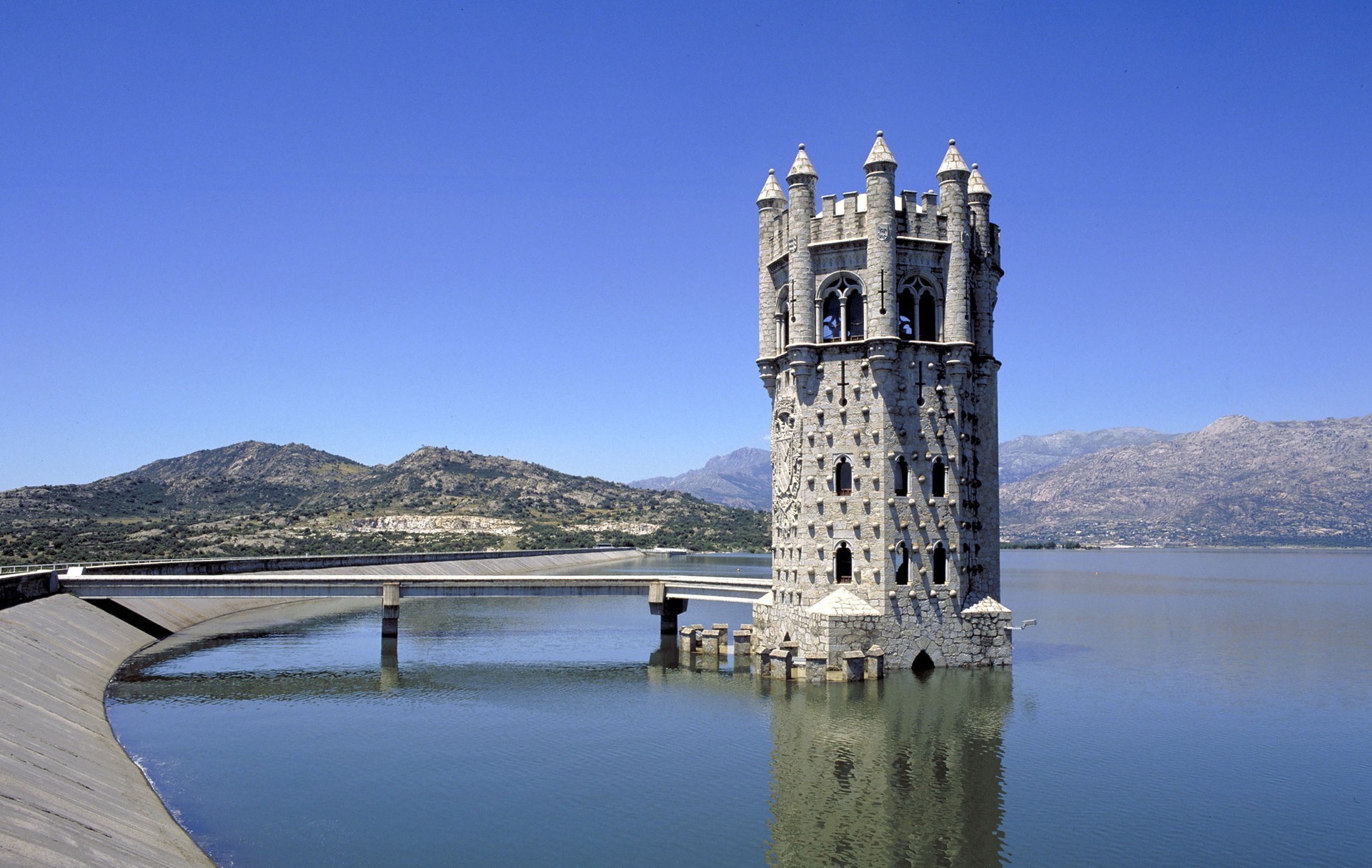
La “torre de Belém” madrileña, uno de los pocos vestigios de la empresa del Marqués de Santillana. Foto: Canal de Isabel II
The project was ambitious and followed the logic of the era: integrating water supply and electricity generation within a single infrastructure. Since 1900, the marquis had held a concession for water flow from the Manzanares River, which enabled him to promote a complete network of dams, canals and hydroelectric plants supplying both Madrid and surrounding municipalities. The company even established its own distribution network in the capital’s elevated neighbourhoods, where the canal’s system had not yet reached sufficient capacity—temporarily breaking the supply exclusivity which the Canal de Isabel II Water Supply Infrastructure had maintained for decades.
For years, both entities engaged in intense rivalry. It was not only about delivering water, but also about harnessing the potential of hydroelectric energy at a time when electricity was beginning to transform the city. However, that competition eventually faded: disputes were resolved, networks were interconnected, and ultimately the facilities of Hidráulica Santillana were integrated into the Canal de Isabel II Water Supply Infrastructure system, which consolidated its position as Madrid’s water supply manager.
Few traces of this history remain visible to Madrid’s citizens. Some manhole covers still survive on streets in the northern districts of the capital. Unnoticed by most, they still bear the text “Hidráulica Santillana S.A.” and its logo, now heavily worn.
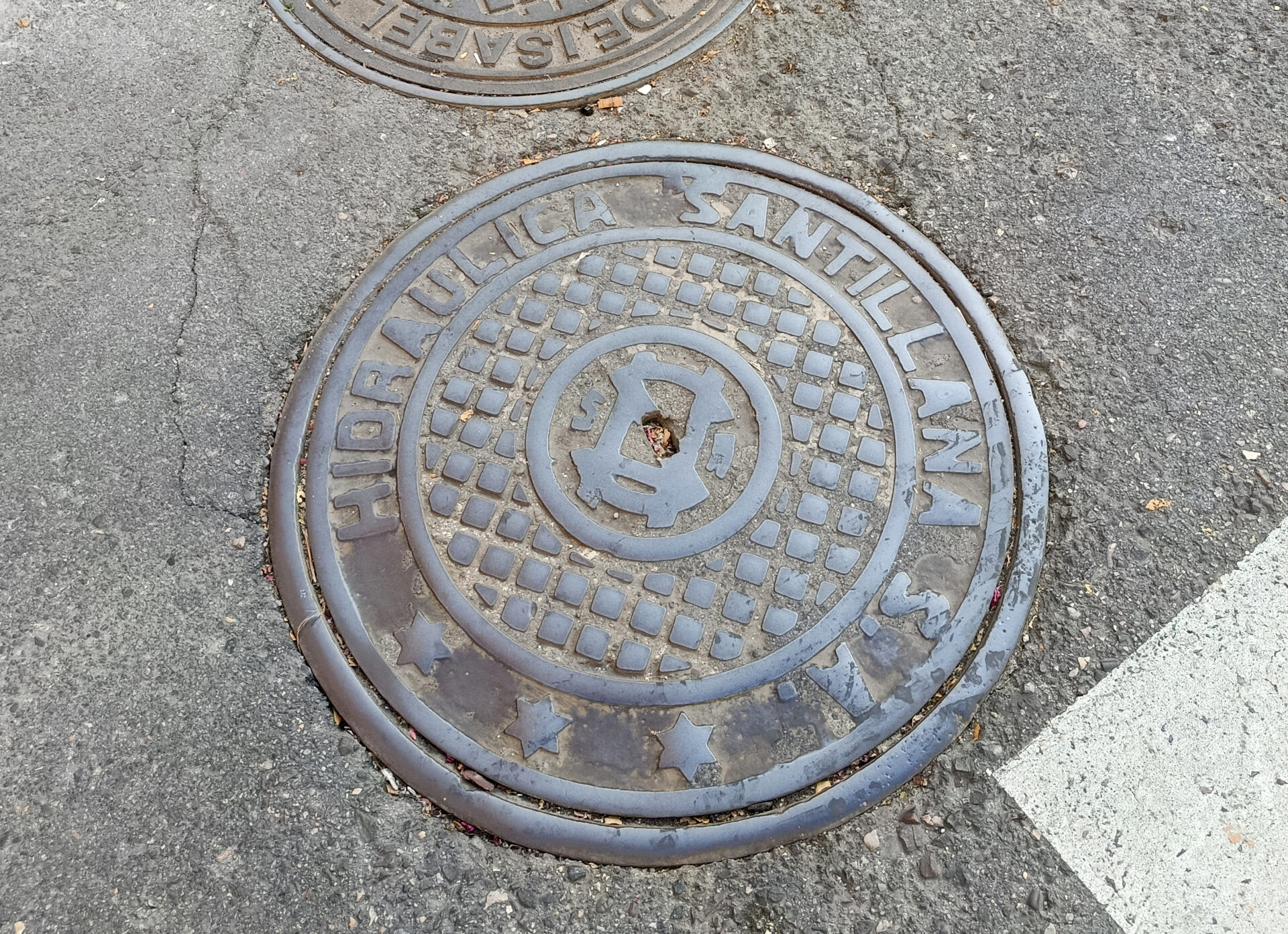
Manhole cover of the former “Hidráulica Santillana” in the district of Tetuán.
But the most visible element of that project is the Santillana Reservoir, built in 1907 as part of that integrated hydraulic system. The original dam, in addition to fulfilling its function as technical infrastructure, was an architecturally distinctive work: it was designed with neo-Gothic aesthetics so that it would dialogue with the nearby Manzanares el Real castle, historically linked to the heritage of the marquisate. In the centre of the dam, a water intake tower was erected (to capture water at different depths) which deliberately evoked a medieval fortification, becoming the most recognisable element of the ensemble.
Over time, growing water demand made it necessary to build a new, higher dam with greater capacity, now under the management of the Canal de Isabel II Water Supply Infrastructure. This intervention transformed the original landscape: the old dam was partially submerged, along with much of the initial structures. Today, only some elements emerge—such as the neo-Gothic tower, which has become a sort of Madrid “Tower of Belém”, a monumental gate, or parts of the walls of the old infrastructure. All of them offer a singular and picturesque image hinting at the magnitude of the original project.