

11 May 2026
for Madrid Nuevo Norte



'/%3E%3Cpath fill='%23F71013' d='M133.063 1v5.769L126.337 1h-12.944v5.77L106.667 1H93.723v5.77L86.997 1H73v61h15.937v-5.77L95.663 62h12.944v-5.77l6.726 5.77h12.944v-5.77l6.726 5.77H149V1z'/%3E%3Cpath fill='%23FFF' d='M99 15v9h-2.209v-7.689l-.499 2.109L94.425 24h-2.85l-1.867-5.58-.5-2.07V24H87v-9h3.905l1.61 5.194.485 1.967.485-1.954L95.095 15zM105.818 20.513c0-1.13-.579-1.655-1.81-1.655-1.188 0-1.752.525-1.752 1.655 0 1.104.564 1.63 1.751 1.63 1.232 0 1.811-.526 1.811-1.63zM108 17.135v6.73h-2.256v-1.507c-.416 1.063-1.262 1.642-2.45 1.642-2.122 0-3.294-1.4-3.294-3.487C100 18.4 101.113 17 103.146 17c1.262 0 2.168.592 2.598 1.696v-1.561H108zM114.818 20.352c0-1.183-.579-1.732-1.81-1.732-1.188 0-1.752.55-1.752 1.732 0 1.155.564 1.704 1.751 1.704 1.232 0 1.811-.549 1.811-1.704zM117 14v9.86h-2.256v-1.578c-.416 1.112-1.262 1.718-2.45 1.718-2.121 0-3.294-1.465-3.294-3.648 0-2.211 1.113-3.676 3.146-3.676 1.262 0 2.168.62 2.598 1.775V14H117zM122 17.11v1.943c-.328-.11-.541-.138-.94-.138-.997 0-1.895.496-1.895 2.37V24H117v-6.89h2.165v1.957c.157-1.006.627-2.067 1.966-2.067.228 0 .584 0 .869.11'/%3E%3Cmask id='89zww8pfdd' fill='%23fff'%3E%3Cuse xlink:href='%231de91x7csc'/%3E%3C/mask%3E%3Cpath d='M123.208 24h1.584v-6.685h-1.584V24zM123 15.203c0-.775.354-1.203.99-1.203.645 0 1.01.428 1.01 1.203 0 .802-.365 1.244-1.01 1.244-.636 0-.99-.442-.99-1.244zM131.818 20.352c0-1.183-.579-1.732-1.81-1.732-1.188 0-1.752.55-1.752 1.732 0 1.155.564 1.704 1.751 1.704 1.232 0 1.811-.549 1.811-1.704zM134 14v9.86h-2.256v-1.578c-.416 1.112-1.262 1.718-2.45 1.718-2.122 0-3.294-1.465-3.294-3.648 0-2.211 1.113-3.676 3.146-3.676 1.262 0 2.168.62 2.598 1.775V14H134zM96 27v9h-2.865l-3.382-5.477-.559-1.144V36H87v-9h2.977l3.158 5.104.67 1.26V27zM105 30v6.863h-2.19v-1.551c-.345 1.125-1.094 1.688-2.275 1.688C98.821 37 98 36.026 98 34.008V30h2.19v3.884c0 .838.403 1.222 1.21 1.222.863 0 1.41-.535 1.41-1.77V30H105zM108.216 32.813h2.68c-.014-.982-.435-1.319-1.29-1.319-.856 0-1.277.377-1.39 1.32m4.77 1.332h-4.77c.127.916.576 1.293 1.473 1.293.674 0 .996-.202 1.333-.849l1.824.62c-.477 1.157-1.53 1.79-3.213 1.79-2.174 0-3.633-1.373-3.633-3.446 0-2.127 1.431-3.554 3.563-3.554 2.062 0 3.437 1.373 3.437 3.446 0 .229 0 .404-.014.7' fill='%23FFF' mask='url(%2389zww8pfdd)'/%3E%3Cpath fill='%23FFF' mask='url(%2389zww8pfdd)' d='m120 30-2.72 7h-2.56L112 30h2.399l1.608 5.18 1.595-5.18zM125.765 33.513c0-1.13-.56-1.655-1.765-1.655-1.206 0-1.765.525-1.765 1.655 0 1.104.559 1.63 1.765 1.63s1.765-.526 1.765-1.63m2.235 0c0 2.168-1.823 3.487-4 3.487s-4-1.32-4-3.487c0-2.18 1.823-3.513 4-3.513s4 1.333 4 3.513M96 40v9h-2.865l-3.382-5.477-.559-1.144V49H87v-9h2.977l3.158 5.104.67 1.26V40zM102.765 45.513c0-1.13-.559-1.655-1.765-1.655s-1.765.525-1.765 1.655c0 1.104.559 1.63 1.765 1.63s1.765-.526 1.765-1.63m2.235 0c0 2.168-1.823 3.487-4 3.487s-4-1.32-4-3.487c0-2.18 1.823-3.513 4-3.513s4 1.333 4 3.513M110 42.11v1.943c-.327-.11-.541-.138-.94-.138-.997 0-1.895.496-1.895 2.37V49H105v-6.89h2.165v1.957c.157-1.006.627-2.067 1.966-2.067.228 0 .584 0 .869.11M114.18 43.88v3.264h1.688V49h-1.451c-1.346 0-2.243-.949-2.243-2.372v-2.749H111v-1.856h1.174V40h2.005v2.023H116v1.856h-1.82zM119.216 44.814h2.68c-.014-.983-.435-1.32-1.29-1.32-.856 0-1.277.377-1.39 1.32m4.77 1.332h-4.77c.127.916.576 1.293 1.473 1.293.674 0 .996-.202 1.333-.849l1.824.62c-.477 1.157-1.53 1.79-3.213 1.79-2.174 0-3.633-1.373-3.633-3.446 0-2.127 1.43-3.554 3.563-3.554 2.062 0 3.437 1.373 3.437 3.446 0 .23 0 .404-.014.7'/%3E%3C/g%3E%3C/svg%3E)
Urban planning is a highly specialised technical discipline, yet it is far from distant or theoretical—it defines aspects as fundamental as the time we spend on trips, the ease with which we meet other people, or access to essential services. Designing a city well means creating the best conditions for living by placing people at the centre of the equation. The importance of urban planning becomes even more evident given global urban growth: according to the UN, nearly 70% of the world’s population will live in cities by 2050. This demographic concentration makes urban planning a decisive factor for collective well-being and, of course, environmental sustainability. Every decision made about public space has cumulative effects which last for decades.
The quality of public space is central to citizens’ lives. Having accessible streets and well-distributed parks encourages social interaction and physical activity—key elements for the well-being of residents. The World Health Organization emphasises that urban environments which make walking or cycling easier help improve both physical and mental health: urban design integrating green areas and safe routes promotes healthy habits while strengthening community ties. In recent years, green infrastructure has become a fundamental strategic tool. Parks, ecological corridors, and green roofs moderate urban temperatures and improve air quality. The European Environment Agency highlights that these nature-based solutions increase climate resilience and deliver social and economic benefits across all sectors of society.
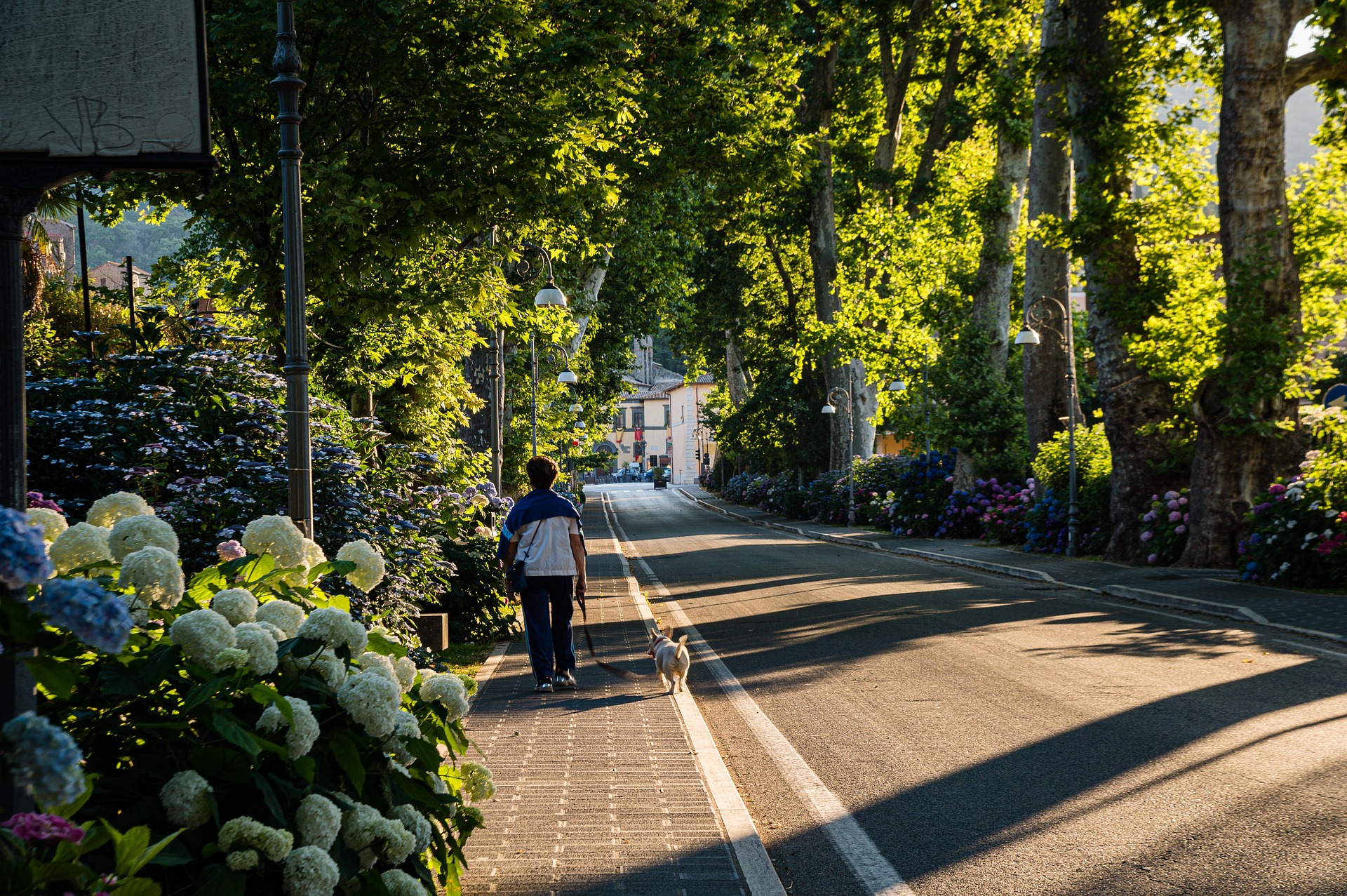
This same logic extends to how we organise neighbourhoods. The design of compact, well-connected neighbourhoods enables more efficient transport systems, reducing dependence on private vehicles and the time spent on trips. In this regard, the International Energy Agency notes that urban design can significantly reduce transport-related energy demand by fostering environments built around proximity. This is a key aspect of both the present and the future of urban planning, as cities play a decisive role in emissions mitigation — according to the World Bank, urban decarbonisation is essential to achieving net-zero emissions by 2050. In line with this vision, mixed uses are equally decisive: when housing, commerce and leisure coexist within the same environment, the need to travel long distances to meet daily needs is reduced. Ensuring that basic services are accessible on foot or by bicycle increases urban vitality and perceived safety, thanks to the constant presence of people in public spaces.
Urban planning also has a decisive influence on equity. A well-planned city does not leave the distribution of services, facilities and transport to chance. Instead, it distributes them in a balanced way to guarantee basic rights. When educational, healthcare and cultural centres, as well as public transport, are organised through inclusive planning, access to housing, education and employment is improved and social cohesion is strengthened. But equity is not the only important factor: the economic competitiveness of cities is also directly linked to their urban quality. Well-designed, connected environments with attractive public spaces build trust, attract talent and investment, and stimulate business activity. Planning which facilitates physical and digital connectivity, brings housing and employment closer together, and optimises infrastructure boosts productivity by reducing travel times and costs. Consequently, a functional and liveable city improves the daily lives of its residents while reinforcing its position in an increasingly global and competitive economic context.
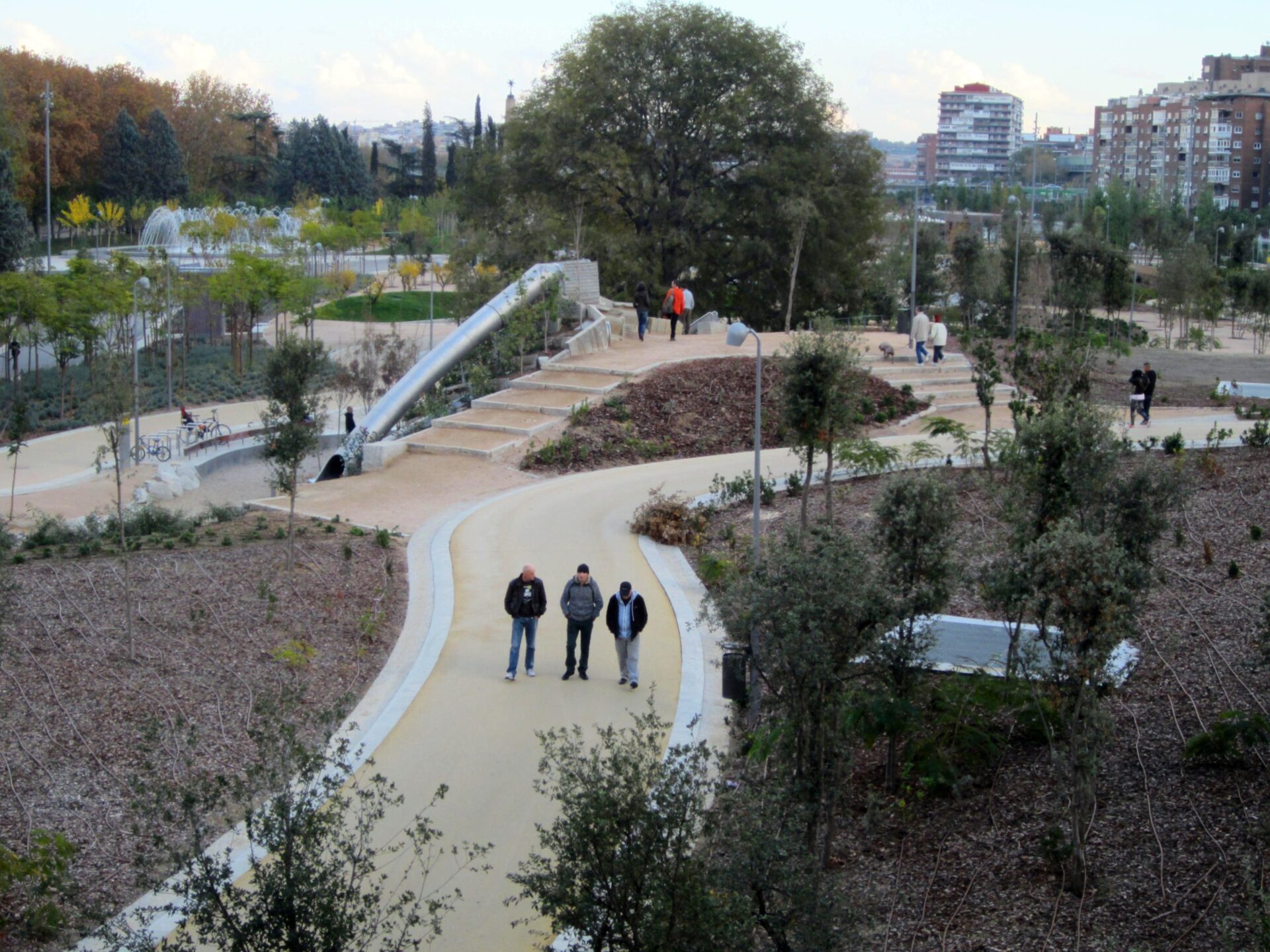
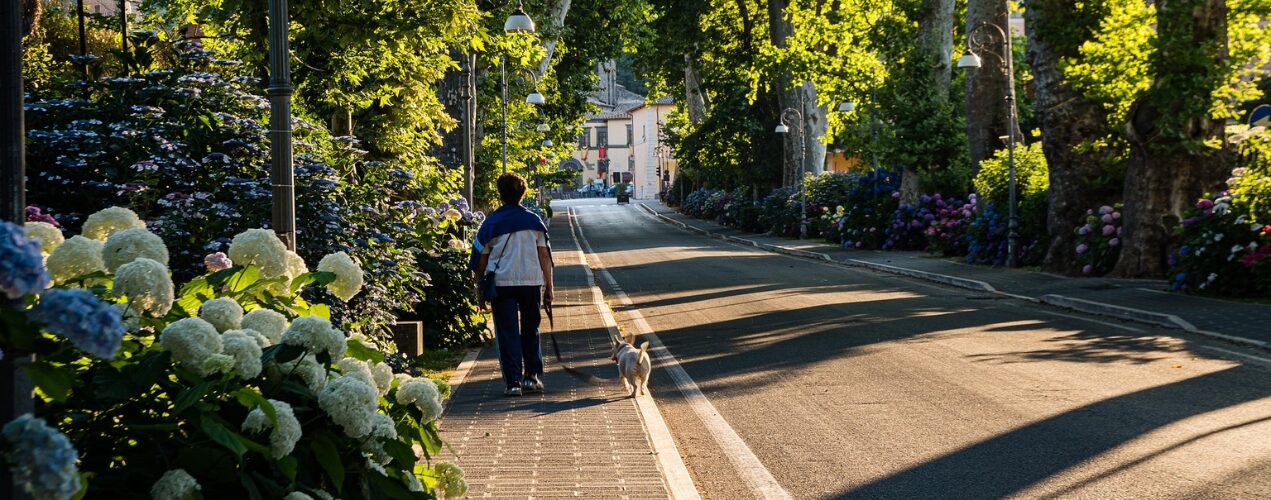
Situar a las personas en el centro del urbanismo tiene un impacto directo en su salud y bienestar. Foto: Madrid Río. Fuente: La Citta Vita.
Urban planning operates at multiple levels and scales, and its impact is far from abstract. Various studies show that the way a city is designed directly influences the health, well-being and economic situation of its inhabitants. For example, research by the Institute for Transportation and Development Policy indicates that neighbourhoods with walkable streets and local amenities can reduce private car use by up to 30 per cent, resulting in lower emissions and a measurable improvement in air quality. In turn, the World Health Organisation estimates that living near green spaces reduces the incidence of cardiovascular disease by between 10% and 15% and improves mental health.
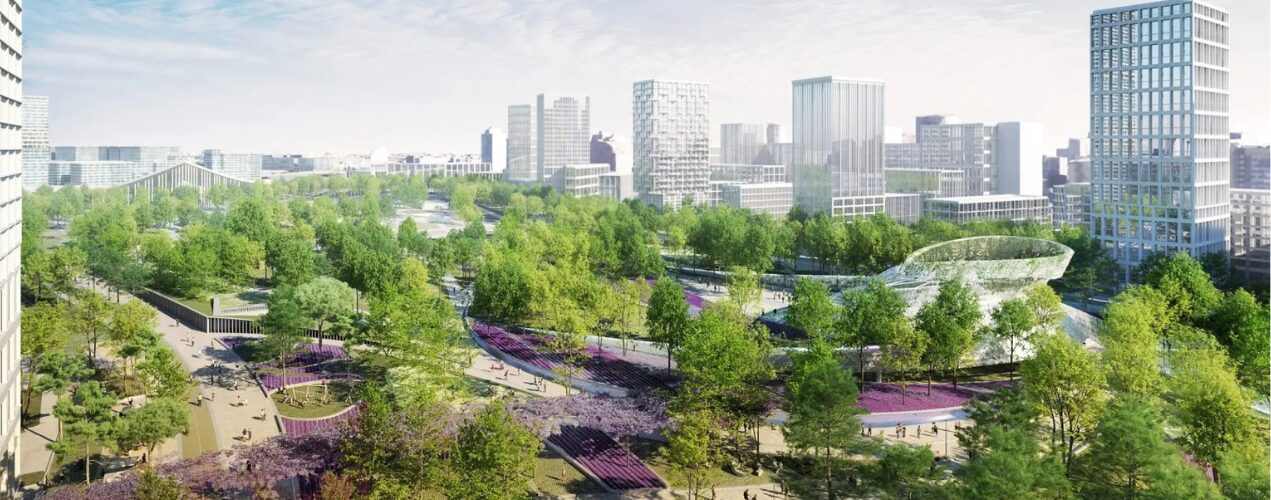
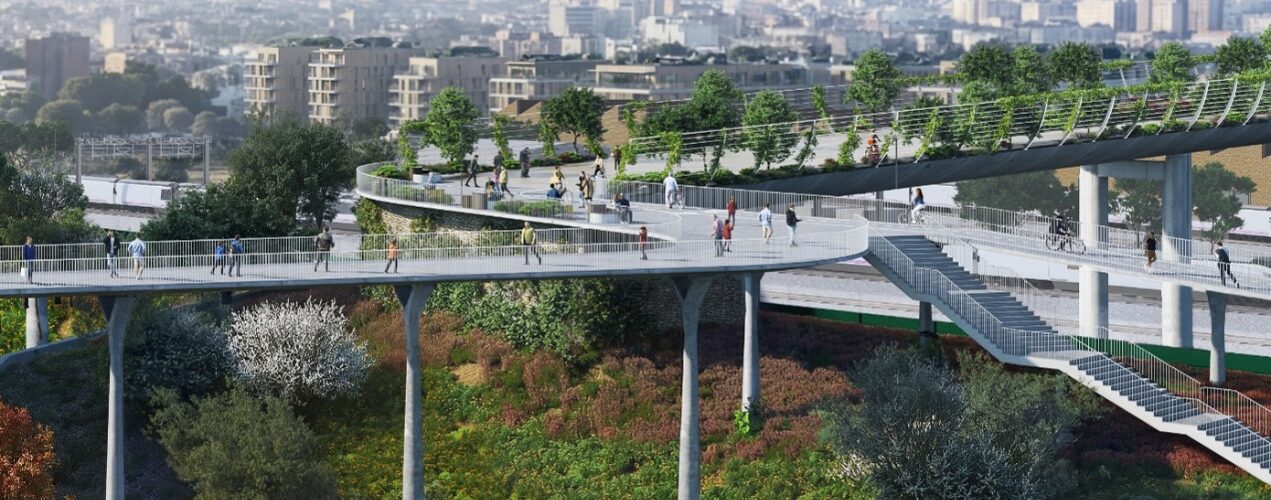
Within this framework, large urban development projects incorporating social and environmental criteria into their very DNA demonstrate just how much planning can improve everyday life. Madrid Nuevo Norte is moving precisely in this direction: a project prioritising mobility and strengthening urban connectivity, expanding green infrastructure and delivering high-quality public services and spaces to all Madrid’s citizens. Beyond the essential new infrastructure it will bring and the generation of thousands of jobs, its design focuses on compact, walkable, accessible and well-connected neighbourhoods, where mixed uses, public space and the integration of nature and the city create a healthier and more active environment. This transformation places people at the centre of urban design, looking towards a more balanced, sustainable and liveable future.